
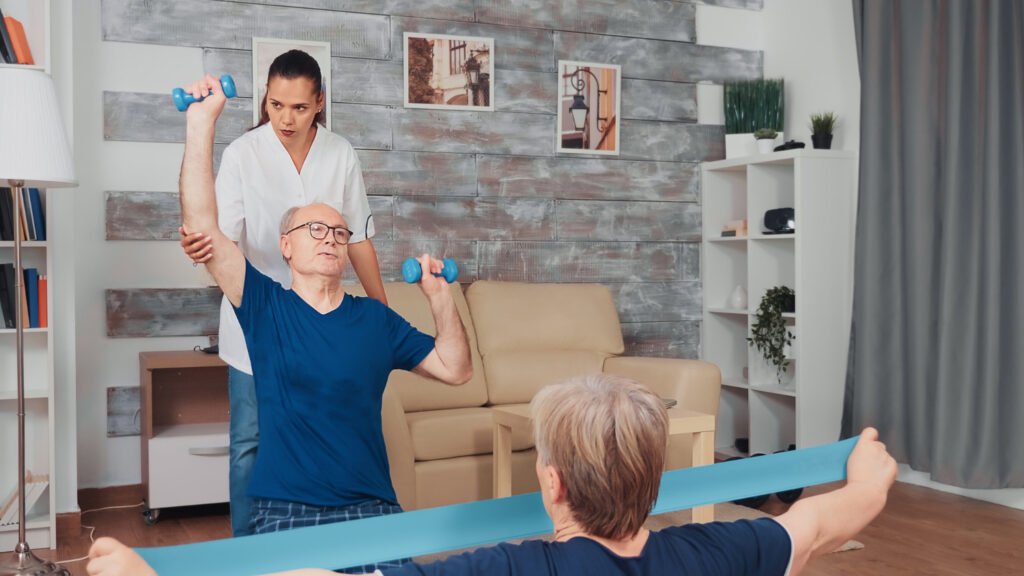
Home-based therapy focuses on helping patients regain independence by practicing meaningful, everyday movements. Instead of relying only on exercises or clinic-based routines, therapists use daily tasks to build strength, balance, coordination, and confidence. These activities make recovery feel more natural and achievable. With the right assist at home, patients learn how to move safely and perform routine tasks with greater ease.
Improving strength through simple routines
Therapists often use familiar activities like standing from a chair, reaching for items at different heights, or carrying light household objects. These tasks strengthen muscles without overwhelming the patient. Gentle guidance helps maintain good posture and movement control. This type of assist supports daily functioning and makes routine tasks less tiring.
Building balance during everyday movements
Many patients struggle with balance after injury or illness. Therapists use activities such as stepping over small objects, walking short distances, or shifting weight while standing at the kitchen counter. These controlled movements reduce fall risk and help patients feel steadier. Regular assist with balance routines improves safety throughout the home.
Enhancing fine motor skills
For individuals recovering from hand injuries, strokes, or certain chronic conditions, therapists focus on precision tasks. Activities like buttoning clothes, picking up small objects, opening containers, or writing help strengthen coordination. This detailed assist supports independence in personal care and daily activities.
Supporting mobility through guided practice
Therapists encourage walking inside the home, practicing stair steps if safe, or moving between rooms with proper techniques. These activities improve endurance and mobility. With consistent assist, patients rebuild confidence and learn how to navigate their homes without fear or discomfort.
Encouraging meaningful daily habits
Therapy at home also includes training in bathing, dressing, mealtime setup, and other self-care routines. Practicing these tasks boosts independence and reduces reliance on family members. Emotional reassurance is a key part of this assist, helping patients feel capable and motivated.
Using everyday activities in therapy creates a natural, effective way for patients to improve function at home. With personalized support, they gain strength, stability, and confidence one routine at a time.