
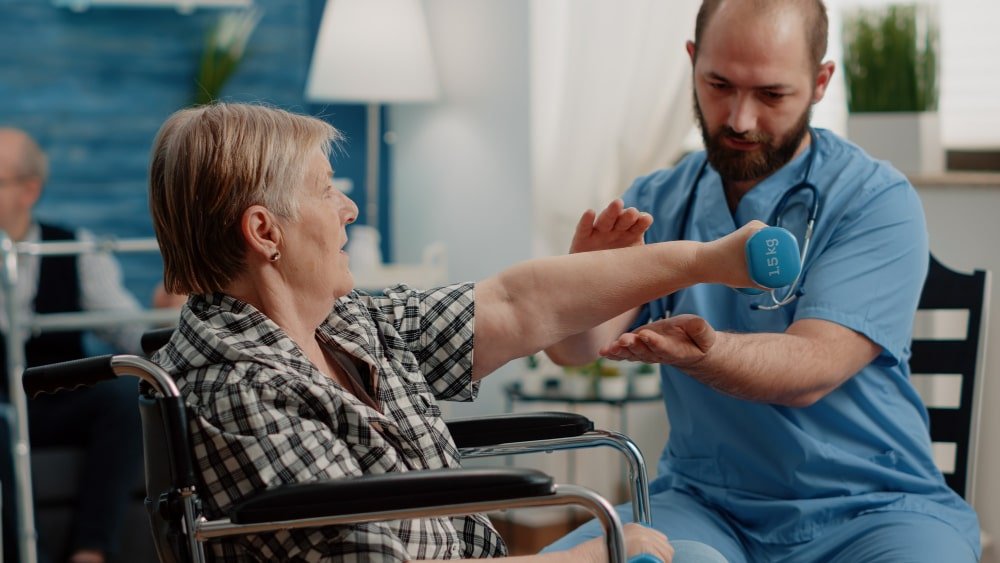
Healthcare in the United States is evolving rapidly, and one of the most remarkable shifts is the growing preference for in-home physical therapy. Patients today value convenience, comfort, and personal attention more than ever. Instead of traveling to clinics or hospitals for rehabilitation, more Americans are choosing to recover in the comfort of their homes with licensed therapists guiding them through every step.
1. Convenience That Supports Faster Recovery
For many patients, the hardest part of therapy is not the exercises but the effort it takes to reach the clinic. In-home physical therapy eliminates this barrier by bringing the care directly to the patient’s living space. It saves travel time, reduces fatigue, and allows therapists to focus entirely on the patient’s real-life environment. When therapy fits naturally into daily routines, patients tend to stay consistent and motivated, leading to quicker recovery.
2. Personalized Care Tailored to Each Patient
Every home and every patient are different. In-home therapy gives physical therapists the opportunity to observe how a person moves within their environment and adjust treatments accordingly. Whether it is improving balance while walking up stairs or strengthening muscles for everyday tasks, therapy becomes more relevant and practical. This individualized approach ensures that every exercise supports the patient’s actual lifestyle.
3. Cost-Effective for Families and the Healthcare System
In-home physical therapy not only benefits patients but also helps reduce the overall burden on the healthcare system. By minimizing hospital readmissions and unnecessary travel expenses, it offers a more affordable alternative for both patients and insurers. Many Medicare and private insurance plans now cover in-home rehabilitation services, making quality care accessible without the high costs associated with extended hospital stays.
4. Comfort and Privacy at Its Best
Healing happens faster when patients feel comfortable and secure. Being treated at home allows individuals to relax, ask questions freely, and focus on recovery without the stress of busy clinic environments. For seniors or patients with mobility challenges, this comfort can make a huge difference in maintaining a positive outlook during recovery.
5. Ideal for Post-Surgery and Chronic Care Patients
Patients recovering from joint replacements, fractures, or strokes often struggle to travel to therapy centers multiple times a week. In-home physical therapy is ideal for these cases because it ensures consistent professional care without compromising rest or safety. It also benefits individuals managing chronic pain or conditions like arthritis who require ongoing therapy over time.
6. The Human Connection That Makes Healing Stronger
At the heart of in-home therapy lies a powerful human connection. Patients receive one-on-one attention from licensed therapists who understand their progress, challenges, and emotions. This relationship fosters trust, motivation, and accountability, which are all key to successful rehabilitation outcomes.
7. Supported by Technology and Innovation
Modern home-based care is more advanced than ever. Digital health tools, tele-rehab sessions, and progress tracking apps allow therapists to monitor patients remotely and adjust care plans instantly. These innovations make home therapy as efficient and measurable as clinic-based programs.
Conclusion
In-home physical therapy is not just a convenient alternative; it is the future of personalized healthcare in the United States. It combines professional expertise with the comfort of home, offering a safer, more compassionate, and cost-effective way to heal.
At Hylic Physical Therapy, we believe that every patient deserves care that fits their life, not the other way around. Our licensed therapists bring clinical-level therapy directly to your home, helping you recover with comfort, dignity, and confidence.